


Knee replacement surgery has been a life-changing activity for millions of people who have extreme cases of arthritis. Conventional approaches have had a good history to follow, yet even the most adept hands are limited in nature. Introduce robotic-assisted knee replacement – a technological breakthrough, which is transforming the orthopedic surgery space.
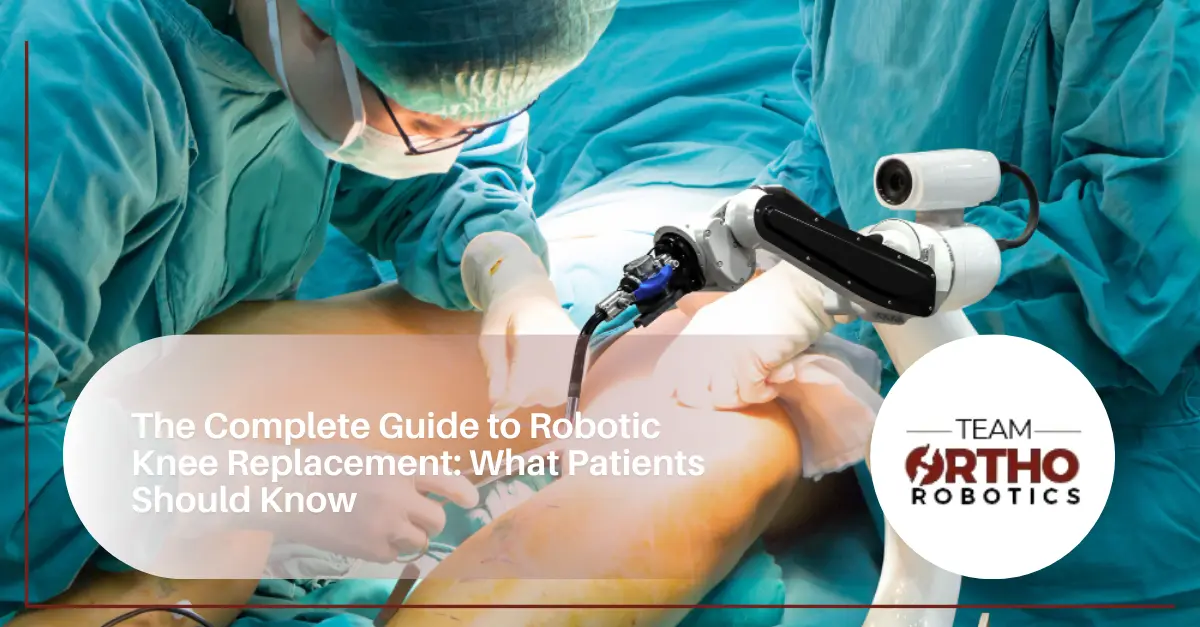
The myth about the surgery is that a robot does it. As a matter of fact, the so-called robot is a very advanced surgical assistant. It does not take the place of the surgeon; it enhances the ability of the surgeon, giving them a degree of precision that is beyond human capability alone.
Reasons Why Robotic Knee Replacement Offers Higher Precision
This is why using a robotic knee replacement is more precise, and this is why it will help in the future of your health.
1. The Power of 3D Pre-Operative Planning
Precision starts way back, many years before you are in the operating room. In knee replacement surgery, the traditional method is that the surgeons use 2D X-rays to guide them through the surgery. X-rays, although effective, are two-dimensional images of a 3 dimensional object.
Robotic systems go a notch higher as they can scan using CT to design a virtual 3D image of your special knee morphology. This gives the surgeon an opportunity to virtually carry out the surgery and then make a single incision. They can know the precise size, location, and direction of the implant that fits into your particular bone structure. This customized plan removes the trial and error and mass-market strategy, which would mean that the implant is customized to you.
2. Sub-Millimeter Accuracy During Surgery
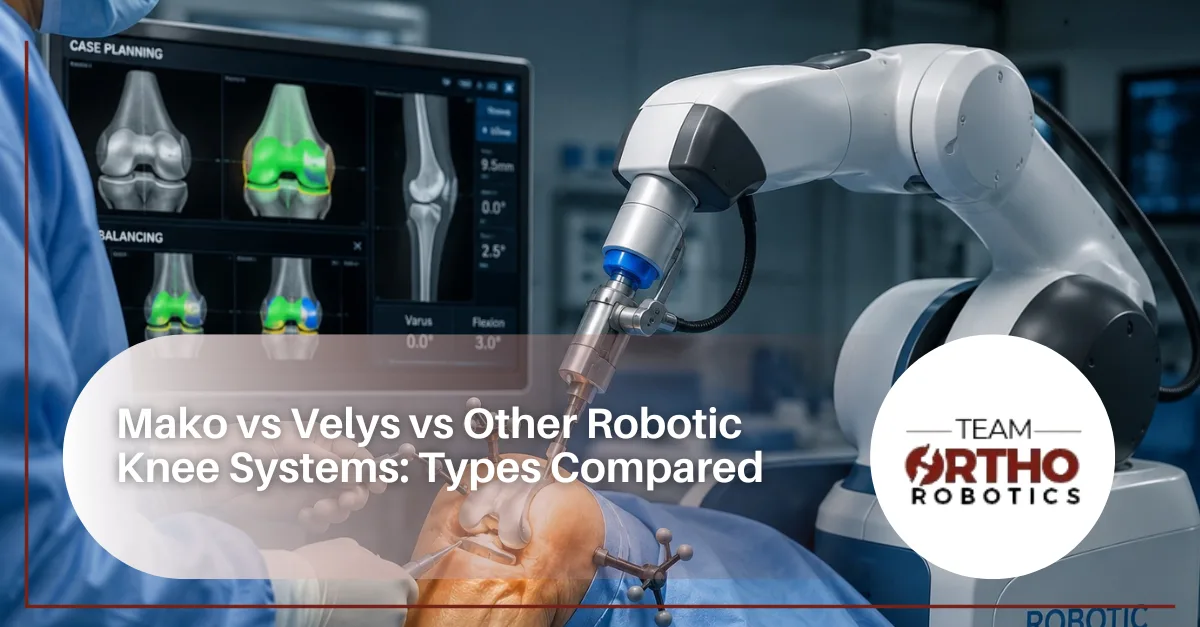
The human eye is marvelous and fails to provide the measurements of millimeters or degrees of motion in real-time. Throughout the process, the robotic arm will be used to control the instruments of the surgeon using the information in the 3D model.
The robot creates the virtual limits or safety areas. The robotic arm gives a pushback or automatic stop in case the surgeon tries to move the instrument out of place, as per the plan. This will make sure that only the damaged bone is taken away and the adjacent soft tissues, nerves, and healthy bone are not destroyed. This sub-millimeter precision is necessary since even a slight deviation can result in the untimely application of the implant or pain to the patient.
3. Intra-Operative Adjustments in Real Time
Knees are active; they change position, flex, and take load. Balancing of the ligaments, or making sure that the knee feels stable and natural in the entire range of movement, is one of the most difficult issues with knee replacement.
Robotic machines give real-time information throughout the operation. When the surgeon moves the knee, the computer also examines both the tension in the ligaments and the leg shape in real-time. The surgeon can also make micro-adjustments on the fly on the position of the implants in case the ligaments are over-tight or over-loose. These small imbalances would only be found out when the patient opens their eyes and starts a rehabilitation process in traditional surgery. They are solved on the operating table using robotics.
4. Saving Healthy Bones
It is not only what you put into precision, but what you retain. Since the robotic arm guarantees precise cuts, the surgeons will be able to save more of your natural and healthy bone. It is also extremely important to maintain healthy bones in stock, particularly in younger patients who may require a revision surgery decades later. The fewer the bones taken now, the greater the basis of the future.
5. Why Precision Leads to Better Outcomes
The greater accuracy of the robotic technology can provide direct healing effects on the patient:
- Natural Feeling Knee: Since the implant is perfectly in line with your own anatomy, it can feel more natural and not so mechanical.
- Less Pain: The virtual safety limits will avoid accidental injuries to the adjacent tissues, resulting in reduced trauma and postoperative pain.
- Quicker Recovery: accurate cuts and preservation of the soft tissues of the body usually lead to fewer days in the hospital and a faster resurgence into everyday life.
- Longevity: An implant perfectly aligned will lead to reduced wear and tear, and the lifetime of the implant with this technology can be extended to 15-20 years (traditional lifetime).
Conclusion
Robotic knee replacement is the ultimate combination of humanity and robotic accuracy. It enables the surgeons to provide an individualized, precise, and safe operation that optimizes the quality of life of the patient. With the continuum of technological growth, this amount of accuracy is quickly becoming the standard of orthopedic treatment.
Get a step closer to pain-free living: team orthorobotics, Kaushalya Medical Foundation Trust Hospital, contact team.
FAQs
Q: Does the robot do the surgery autonomously?
No, your surgeon is in full control of the robotic arm, meaning that he will make the right cuts and know where to place the implants.
Q: Does robotic knee replacement heal faster?
Yes, the better the precision, the smaller the amount of tissue that may be damaged, hence causing less pain and faster recovery of activity.
Q: Is robotic surgery safe?
Yes, it is highly safe. The system will incorporate virtual boundaries to avoid damaging healthy surrounding tissues by the instruments.
Q: Is robotic surgery covered by health insurance?
Yes, most insurance providers cover robotic knee replacement similarly to traditional methods, but verification with your specific insurer is recommended.
Q: Who is eligible for robotic knee replacement?
Most patients suffering from severe knee arthritis are candidates, but a surgeon must evaluate your specific condition and bone structure.