


Living with arthritis can make daily tasks feel tough. Workdays may drag on, and even simple movements can hurt.
Still, many people manage well with the right care and support. Healthy habits make a big difference.
Paying attention to your symptoms helps. Small changes can keep you productive without adding to the pain.
What Arthritis Does to Your Daily Routine
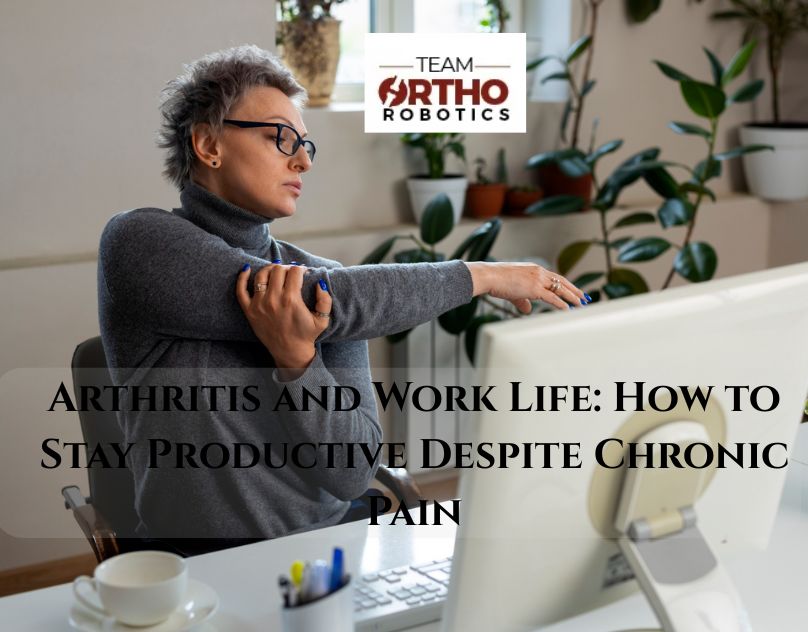
Arthritis can make it harder to move, sit, type, walk, or lift. The impact is different for everyone.
For some, pain comes and goes. For others, it lingers all day. Swelling, stiffness, and less flexibility can make work tasks tough.
Pay attention to how your body feels during the day. Making small changes early can stop pain from turning into a long-term problem.
Common Challenges People Face at Work
Sitting for long hours
Long sitting can stiffen your joints. This often increases pain by the end of the workday.
Standing too much
If your job requires standing, your knees and hips may hurt more.
Repeated movements
Typing, bending, lifting, or climbing stairs repeatedly can trigger flare-ups.
Stress and tight deadlines
Stress can intensify joint pain because your muscles tense up.
How to Stay Comfortable and Productive
Move at regular intervals
Avoid staying in the same position for too long. Stand up every 30 to 40 minutes. Walk for a minute. Stretch gently. These small breaks improve blood flow and reduce stiffness.
Use ergonomic support
A supportive chair helps your lower back and hips. Keep your feet flat on the floor. Adjust the height of your screen to avoid leaning forward. If your job involves typing, place the keyboard close so your wrists stay relaxed.
Apply heat or cold when needed
Heat pads work well for stiffness. Ice packs reduce swelling. Many people use them during breaks for quick relief.
Maintain good posture
Slouching increases pressure on your neck, shoulders, and lower back. A straight posture keeps pain under control.
Ask for lighter duties during flare-ups
You do not have to hide your symptoms. Many workplaces allow temporary changes such as lighter tasks, flexible hours, or brief rest periods.
Lifestyle Habits That Support Joint Health
Stay active with low-impact exercise
Walking, swimming, cycling, and gentle stretching strengthen your joints. Strong muscles support your bones better and reduce pain.
Eat foods that fight inflammation
Fruits, vegetables, nuts, whole grains, and foods rich in omega-3 fatty acids help your body reduce swelling.
Maintain a healthy weight
Extra weight puts more pressure on your knees and hips. Even losing a small amount can reduce discomfort.
Sleep well
Good sleep helps your body recover. Try to keep the same bedtime every day.
When You Should See a Specialist
If pain stops you from working comfortably, it may be time to speak with an orthopedic doctor. Symptoms such as swelling that does not go away, difficulty walking, or pain that lasts for weeks need medical evaluation.
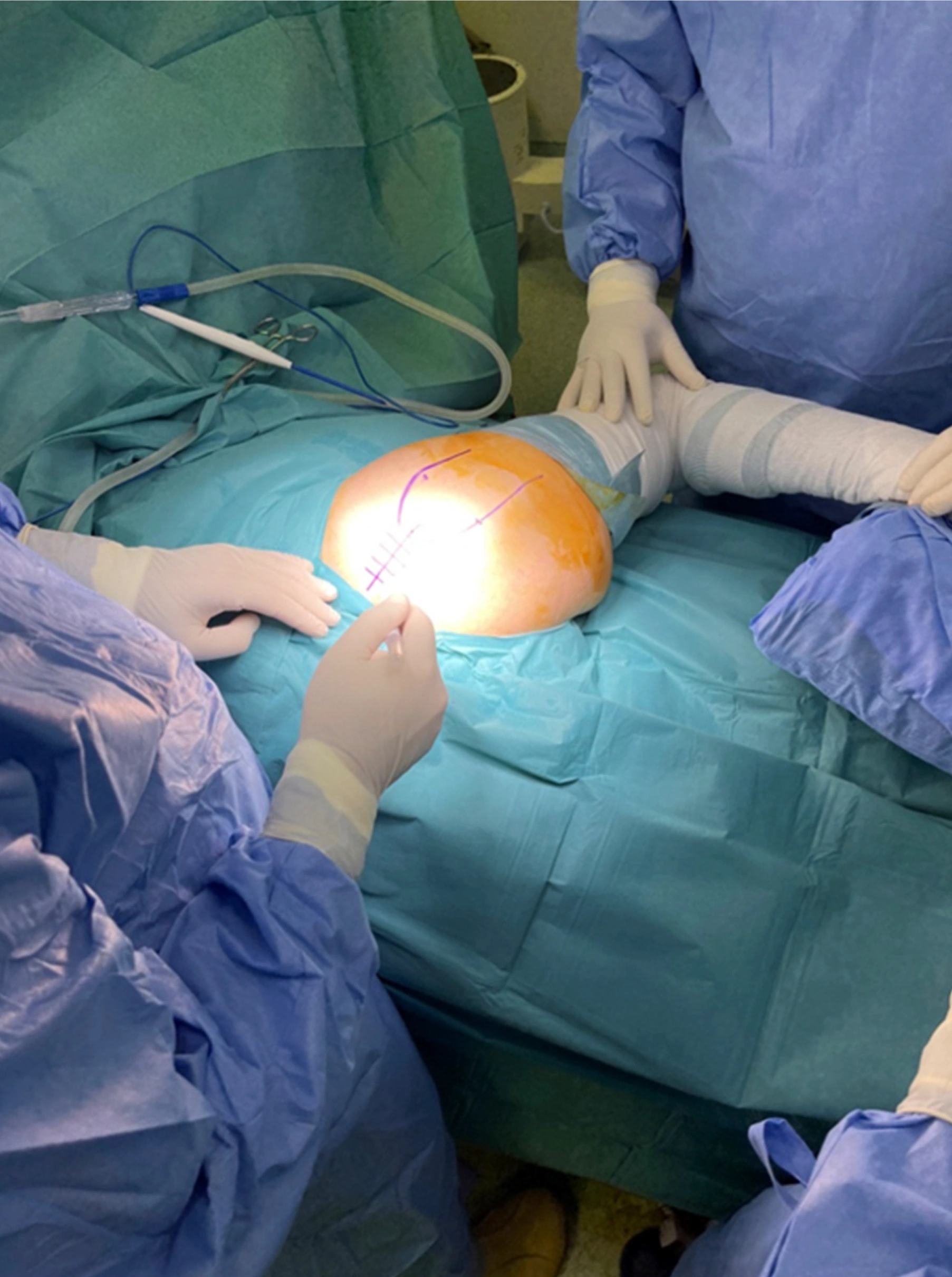
People with severe arthritis may need advanced treatment. Some eventually consider procedures like orthopaedic surgery in thane when other treatments no longer help. In cases of advanced knee arthritis, many patients explore knee replacement surgery in thane to regain mobility and return to normal work life.
A specialist can guide you based on your symptoms, health history, and level of joint damage.
FAQs
Can I continue working with arthritis?
Yes. Many people work for years with proper care, therapy, and adjustments at their workplace.
Does sitting all day make arthritis worse?
Yes. Long sitting can stiffen the joints. Short breaks every hour can help.
Should I avoid exercise?
No. Gentle exercise helps reduce pain and improves flexibility.
Do heat packs help arthritis pain?
Heat helps ease stiffness, and cold packs reduce swelling. Both are useful.
When should I consider surgery?
When pain stops you from walking, sleeping, or working, and other treatments fail to help, your doctor may discuss surgical options.
Need Expert Help?
If joint pain is affecting your work life, you do not have to manage it alone. Team Ortho Robotics offers advanced orthopedic care, modern treatment options, and personalized recovery plans.
Visit: https://teamorthorobotics.com